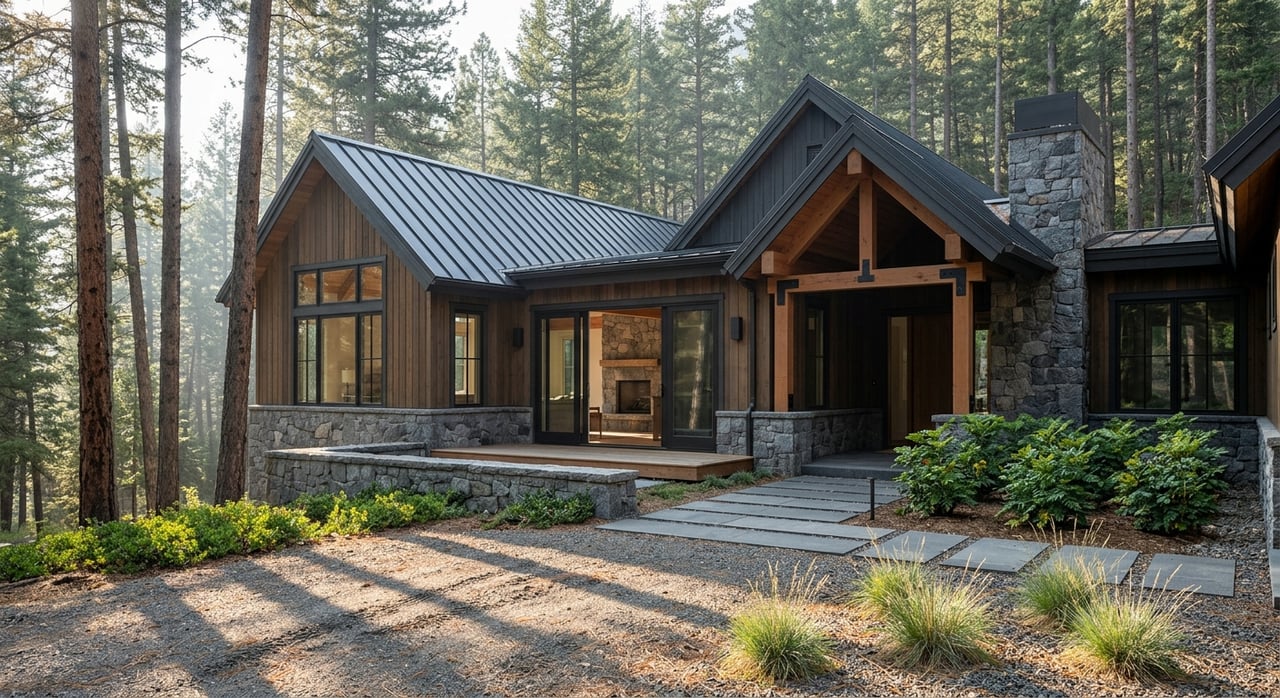
Trying to decide whether to build or buy in Chelan? It is a smart question, especially in a market where lake access, downtown convenience, and long-term lifestyle can matter just as much as the home itself. If you are weighing a custom homesite against a move-in-ready property, understanding the real tradeoffs can save you time, money, and stress. Let’s dive in.
Chelan Real Estate Starts With Location
In Chelan, the build-versus-buy decision is not only about the structure. It is also about how you want to live and how quickly you want to get there. A home near the lakefront or downtown can offer immediate access to boating, trails, parks, and everyday convenience, while a homesite farther out may offer more privacy, views, or room to create something tailored to you.
The current market makes that comparison even more important. Recent market data shows a median home sale price of about $649,611 in Chelan over the last three months ending May 2026, while land listings had a median listing price of about $745,000. When both finished homes and buildable lots come at a premium, your best decision usually comes from comparing total cost and total effort, not just the sticker price.
Why Buying May Be the Easier Path
If speed and certainty matter most, buying an existing home is usually the simpler option. You can focus on the home search, inspections, and any repairs or updates instead of navigating a full permitting path before construction even begins. In a market where desirable homes can move quickly, that simpler path can be a real advantage.
An existing home also avoids many of the front-end steps tied to new construction in the City of Chelan. The city fee schedule shows that new builds require water and sewer availability certificates before permit issuance, along with related utility charges and permit fees. With a resale home, those systems are generally already in place.
Another benefit is immediate access to established locations. If your goal is to be near downtown Chelan, the lakefront, or the city’s recreation core, buying may give you the best chance to enjoy those benefits right away instead of waiting through planning and construction.
What You Gain When You Buy
Buying an existing home can make sense if you want to:
- Move in faster
- Reduce permitting and timeline risk
- Target established in-town or lake-oriented locations
- Avoid major upfront utility connection costs tied to new construction
- See the finished product before you commit
That does not mean a resale home is always turnkey. You should still budget for inspections, maintenance, repairs, or cosmetic updates. Still, for many buyers, those tradeoffs feel more manageable than starting from the ground up.
Why Building Can Be Worth It
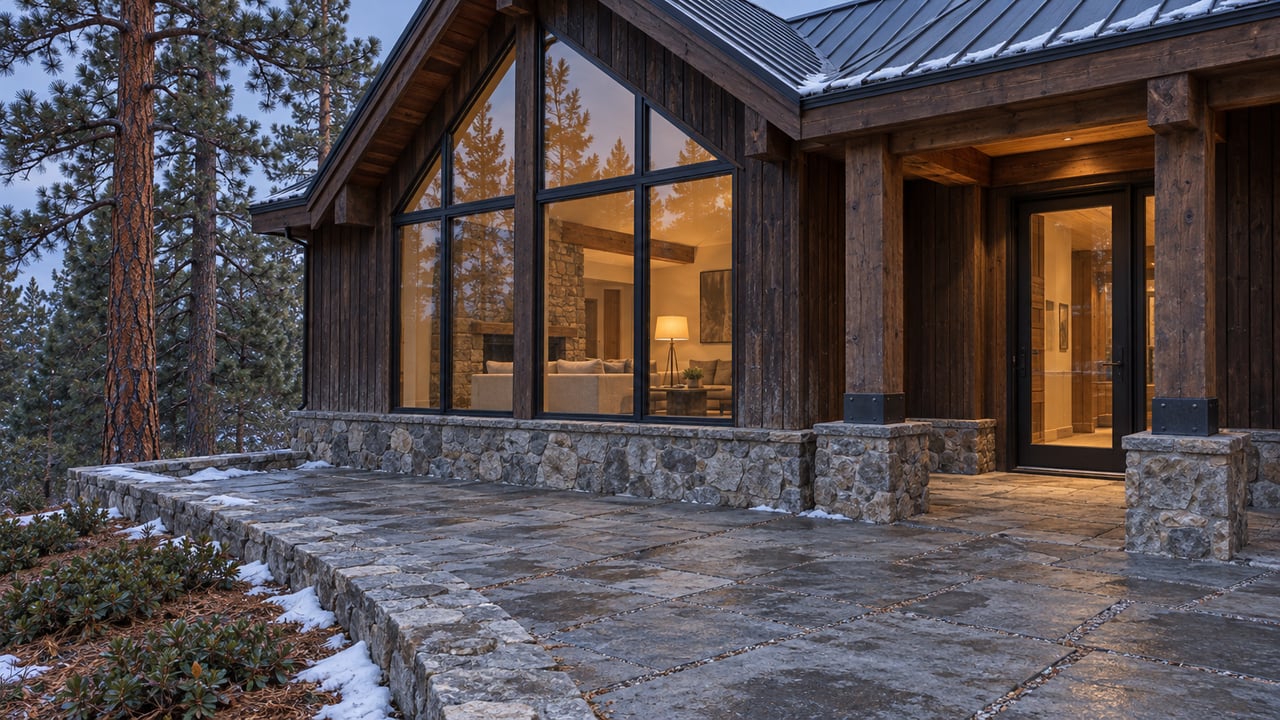
Building appeals to buyers who want a home shaped around their priorities. If you care about a custom floor plan, a specific view orientation, energy choices, or a site that better fits your long-term goals, building can offer a level of control that resale inventory may not.
That flexibility can be especially appealing in a place like Chelan, where lifestyle is part of the purchase. You may want a lot that captures the lake a certain way, more separation from neighboring properties, or a design that supports seasonal living. When the right existing home is hard to find, a custom build may feel like the better fit.
The tradeoff is time. National data cited in the research shows that the average time to complete a single-family home in the U.S. was 10.1 months in 2023, and homes built for sale averaged 8.9 months. If land needs development before construction starts, the timeline can stretch much longer.
Building in Chelan Comes With Local Steps
In Chelan, a new build has a clear local process that buyers should understand early. The city uses an online permitting portal, and the planning department offers pre-application conferences to provide preliminary feedback and help identify issues before formal review. That can be a useful step if you are trying to reduce surprises.
The city’s 2026 fee schedule also adds meaningful upfront costs. Building permit fees are set at a valuation-based rate of 0.009 times project value, and plan review is charged at 65% of the building permit fee. On top of that, there are separate water and sewer availability certificates and connection-related charges.
For a single-family connection in the city, the 2026 schedule lists:
- Water availability certificate: $40
- Sewer availability certificate: $40
- New water-service general facilities charge: $11,926 per ERU
- New sewer-service general facilities charge: $5,531 per ERU
The city also lists water installation charges and notes that actual cost applies when installation exceeds the standard schedule. In practical terms, utility access can be one of the biggest cost differences between buying an existing home and building a new one.
Lake-Adjacent Lots May Need More Review
A homesite near Lake Chelan can be appealing, but it may also come with a more complex approval path. The City of Chelan shoreline master program covers the Lake Chelan ordinary high-water line and the Chelan River ordinary high-water mark. City notices also show shoreline substantial development permits and shoreline variances being used for some projects near the lake.
That means a lot close to the water may need more specialized review than an inland parcel. If you are considering a lake-adjacent site, you should expect more due diligence upfront and potentially a longer timeline before construction starts.
Why In-Town Access Can Tip the Scale
Chelan’s amenity core is concentrated around the lakefront and downtown, which is why location can weigh so heavily in this decision. Don Morse Park offers 2,000 feet of waterfront, marina access, boat rentals, and courts. Lakeshore Marina sits in the heart of the city, and Chelan Riverwalk Park offers a downtown setting with a one-mile paved walking trail and boat launch.
The city also notes that its putting course sits between Don Morse Park and the marina and is about a 15-minute walk from downtown Chelan. For many buyers, that kind of immediate access is hard to replicate with a build farther from town. A resale home in the right location may deliver the lifestyle you want on day one.
On the other hand, a homesite outside the core may offer tradeoffs some buyers prefer, such as privacy, broader views, or a different lot configuration. This is where the decision becomes personal. It is less about which option is universally better and more about which one better matches how you plan to use the property.
A Simple Build vs Buy Framework
If you are torn between the two, this side-by-side view can help clarify your priorities.
| Priority | Buying an Existing Home | Building a New Home |
|---|---|---|
| Speed to occupancy | Usually faster | Usually slower |
| Permitting complexity | Lower | Higher |
| Upfront utility costs | Often already embedded | Can be significant |
| Design control | Limited to what exists | High |
| In-town and lake-core access | Often easier to secure | May be harder to find |
| Timeline certainty | Typically stronger | Often less predictable |
Questions to Ask Before You Decide
Before you commit to either path, it helps to get very clear on your goals. A quick decision can become an expensive one if you do not account for timeline, permitting, and total cost.
Ask yourself:
- Do you want to use the property soon, or can you wait through planning and construction?
- Is your priority location, customization, privacy, or convenience?
- Are you comfortable with upfront utility and permit costs for a new build?
- Are you considering a parcel inside city limits or in county jurisdiction?
- Could the site fall within shoreline jurisdiction?
- Would a pre-application conference help you evaluate risk before moving forward?
For build candidates, those last few questions are especially important. The research indicates that buyers should confirm whether a parcel is inside city limits or county jurisdiction, whether shoreline rules may apply, and whether water and sewer are available before getting too far down the road.
So, Should You Build or Buy in Chelan?
If your top priorities are speed, simplicity, and immediate access to Chelan’s lakefront or downtown amenities, buying an existing home will often be the better fit. You can usually move faster, reduce uncertainty, and enjoy the location right away.
If your top priorities are customization, site selection, and creating a home around a specific vision, building may be worth the added time and complexity. Just be sure you account for permit review, utility charges, and any shoreline or site-development considerations from the start.
In Chelan, the best choice usually comes down to this: buy if you want lifestyle access now, build if you are willing to invest time for a more tailored result. With either route, a clear strategy can help you make a confident move.
If you are exploring homes, homesites, or new-construction opportunities in Chelan and want a thoughtful, high-touch approach, the Rau Peterson Team can help you evaluate the tradeoffs and find the right fit for your goals.
FAQs
Should you build or buy a home in Chelan if you want to move quickly?
- Buying an existing home is usually the faster option because it avoids most of the front-end permitting, utility connection, and construction timeline that come with a new build.
What costs matter most when building a home in Chelan?
- In addition to construction costs, buyers should account for building permit fees, plan review fees, water and sewer availability certificates, and city utility connection charges.
Are lake-adjacent lots in Chelan harder to build on?
- They can be, because sites near Lake Chelan may fall under shoreline rules that can require a more specialized permitting path.
Is buying land in Chelan always cheaper than buying a house?
- Not necessarily. Recent market data shows land listings at a median listing price around $745,000, which means buyers should compare total all-in costs rather than assume a lot is the lower-cost option.
What should you confirm before building on a Chelan parcel?
- You should confirm whether the property is inside city limits or county jurisdiction, whether shoreline jurisdiction applies, whether water and sewer are available, and whether a pre-application conference would help identify issues early.