What does it really mean to live in Yakima wine country? If you picture a single row of tasting rooms and weekend crowds, you may miss what makes this area so appealing for everyday life. Yakima offers a broader lifestyle shaped by vineyards, foothills, river access, downtown energy, and a real working city at the center of it all. If you are considering a move, a second home, or simply want to understand the area better, this guide will help you see how Yakima wine country functions beyond the tasting rooms. Let’s dive in.
Yakima feels like a lived-in wine country
Yakima is not just a visitor destination. It is a working city in the middle of a well-known wine region, with agriculture, manufacturing, tourism, and craft beverages all helping shape daily life. The City of Yakima describes the area as semi-arid, with about 300 days of sunshine, roughly 8 inches of precipitation, and four distinct seasons.
That climate and setting matter if you are thinking about living here. You get a landscape that feels open and sun-filled, with easy access to vineyards, trails, rivers, and nearby mountain outings. Yakima Valley Tourism also positions the city as a home base for wine tasting, dining, river days, and cultural events, which says a lot about how the area works in real life.
Yakima wine geography shapes the lifestyle
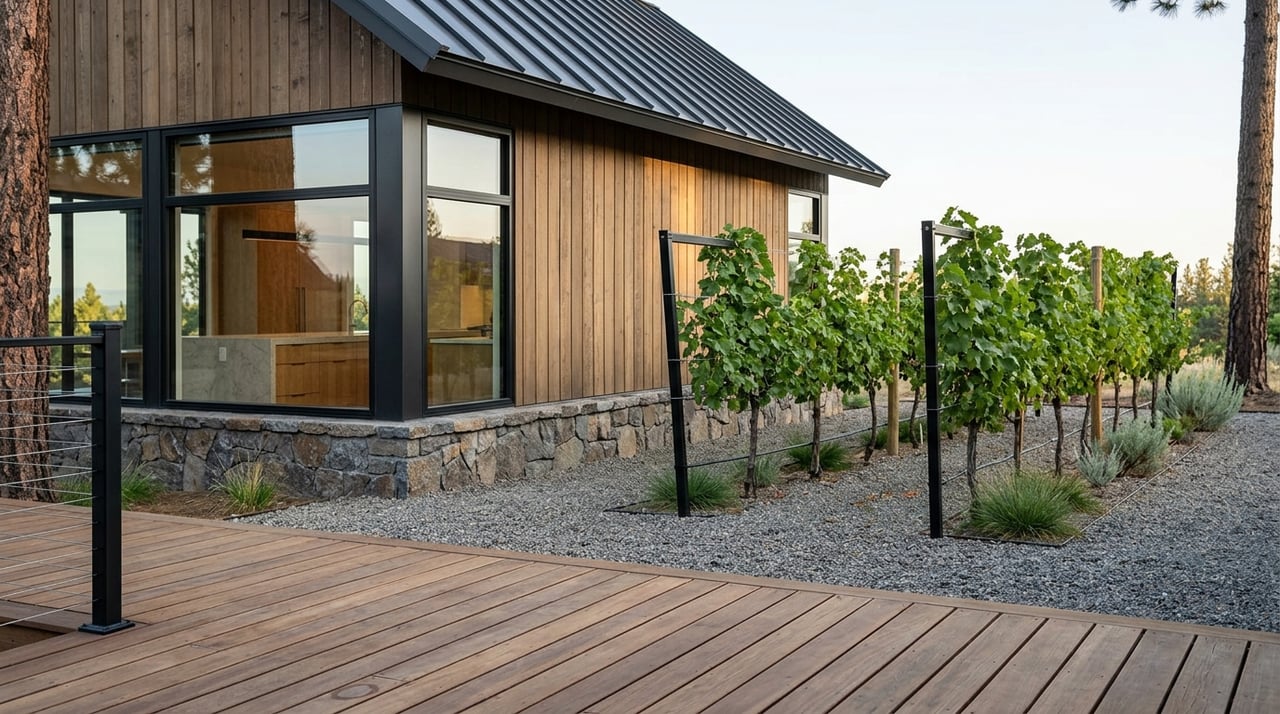
Yakima Valley was established as an American Viticultural Area in 1983, and the broader region includes sub-AVAs such as Rattlesnake Hills, Red Mountain, Snipes Mountain, and Naches Heights. That spread-out geography helps explain why wine-country living here feels more layered than concentrated. Instead of one entertainment zone, you find vineyards, views, tasting stops, and residential areas woven across ridges, foothills, and nearby communities.
For you as a buyer, that creates options. You might prefer being close to downtown restaurants and events, or you may want a quieter setting near vineyard edges and trail systems. In Yakima, wine country is part of the backdrop of daily life, not the whole story.
Downtown Yakima offers compact convenience
If you want an area with a more walkable feel, downtown Yakima stands out. The City of Yakima’s Housing Action Plan describes downtown as compact and walkable, with restaurants, wineries, breweries, arts venues, outdoor concerts, and a Sunday farmers market close together.
That kind of layout can shape your weekly routine in a practical way. Instead of planning your whole social life around a drive, you may be able to enjoy coffee, dinner, a performance, or a market trip in one area. For buyers who value convenience and activity, that is an important part of Yakima’s appeal.
East-side neighborhoods have historic roots
The same city housing plan notes that some of Yakima’s oldest neighborhoods are on the east side, stretching from the Yakima River to roughly 16th Avenue. These areas include pre-World War II growth and some of the city’s most architecturally significant historic areas.
If you are drawn to established neighborhoods and a sense of place, this part of Yakima may feel especially interesting. The appeal here is less about newness and more about character, location, and connection to the city’s older fabric. It is one of the reasons Yakima can feel like more than a simple wine-tourism market.
West Yakima and nearby areas offer a different pace
Yakima’s growth has moved largely westward from downtown. According to the city’s Housing Action Plan, newer western housing tends to have fewer walkable destinations and greater dependence on cars for jobs and amenities.
That does not make the west side less desirable. It simply points to a different daily pattern. If you prefer a more suburban setting or are comfortable with driving for errands, work, dining, and recreation, West Yakima and the surrounding greater Yakima areas may fit your lifestyle well.
West Valley and Terrace Heights expand your choices
The city’s planning materials treat West Valley and Terrace Heights as part of greater Yakima. For buyers, that expands the conversation beyond city limits and into the broader area many people use as part of their day-to-day lives.
This can be helpful if you are comparing setting, commute, and access. Some buyers want a location that feels a bit more removed from the center while still staying tied to Yakima’s amenities. In that case, looking at the wider Yakima area can open up useful options.
Selah and Union Gap connect easily to Yakima
Selah and Union Gap sit immediately north and south of Yakima, making them natural extensions of the city for commuting and shopping. If you like the idea of a smaller-town base while staying connected to Yakima’s services and entertainment, these nearby communities are worth understanding.
Transit also supports that connection. Yakima Transit operates multiple city routes plus the Yakima to Ellensburg commuter route, and Selah Transit connects Selah, Union Gap, and Yakima. Even for buyers who expect to drive most of the time, that regional link reinforces how interconnected daily life can be here.
Outdoor access is part of everyday living
One of Yakima’s strongest lifestyle advantages is how easy it is to fold outdoor recreation into an ordinary week. You do not need to save the scenery for special occasions. In many parts of the area, trails, parks, rivers, and canyon views are part of the local rhythm.
That matters if your idea of home includes more than the house itself. Yakima gives you a chance to live near recreation without giving up the functions of an actual city center.
The Yakima Greenway adds close-in recreation
The Yakima Greenway helps make outdoor time feel local and accessible. Greenway materials highlight Sarg Hubbard Park, river paths, launches, and connected park spaces, while tourism materials describe a 10-mile paved pathway with multiple parks, fishing lakes, and river access points.
For many buyers, that kind of infrastructure changes how often you use the outdoors. A paved path, nearby parks, and river access can support regular walks, bike rides, or time outside without a major plan. That is a meaningful quality-of-life feature when comparing places to live.
Cowiche Canyon brings foothill living closer
Cowiche Canyon sits about six miles west of downtown Yakima, and the Cowiche Canyon Conservancy says its lands include more than 60 miles of year-round trails for hiking, biking, running, horseback riding, and snowshoeing. Tourism materials also connect downtown Yakima with the Naches Heights AVA and scenic views near Cowiche Canyon.
This overlap between wine-country scenery and outdoor recreation is one of Yakima’s defining traits. You can enjoy a city-based routine while staying close to foothills, open views, and trail access. For buyers looking for a lifestyle base rather than just a place to sleep, that mix stands out.
Bigger adventures are still within reach
When you want more room to roam, the surrounding region adds even more options. The Yakima River Canyon stretches 27 miles between Ellensburg and Yakima and offers wildlife watching, Blue Ribbon trout fishing, rafting, and camping year-round. Ahtanum State Forest, about 30 miles west of Yakima, adds camping, hiking, horseback riding, mountain biking, snowmobiling, and other dispersed recreation.
That wider access supports a flexible lifestyle. You can keep your weekday routine grounded in Yakima, then head out for river or mountain recreation without a long travel day. For second-home buyers and lifestyle-focused buyers in particular, that balance can be very attractive.
Dining and culture go beyond winery patios
Yakima’s dining and culture scene is broader than many first-time visitors expect. City and tourism sources describe a downtown with restaurants, coffee houses, boutiques, vintage shops, wineries, breweries, and performances at venues such as Capitol Theatre and Seasons Performance Hall.
That gives the city a more complete everyday feel. You are not relying on tasting rooms alone for entertainment or social life. Instead, you have a mix of dining, arts, shopping, and events that helps support year-round living.
Everyday favorites help define the city
Tourism listings highlight a range of local spots, from patio brunch at Caffé 11th Avenue to farm-to-table dining at Crafted Yakima and seasonal food and local drinks at Rooted Yakima Valley. The details matter because they show how regional agriculture and wine culture show up in everyday dining, not just special outings.
For you, that can make Yakima feel more grounded and livable. A strong local food and beverage scene often says a lot about how residents spend time, host friends, and enjoy the area week to week.
Seasonal events keep the calendar active
Yakima wine country also has a strong event rhythm from spring through fall. Yakima Valley Tourism highlights events such as Spring Barrel Weekend, Rosé Revolution, Downtown Summer Nights, Catch the Crush, Fresh Hop Ale Festival, and Music in the Vines.
These events add variety without defining the whole place. They give you reasons to reconnect with the community, explore different parts of the region, and enjoy the seasonal pace of the valley. If you are considering a home in or near Yakima, that calendar can be part of what makes ownership feel rewarding throughout the year.
What Yakima wine country living really means
The clearest way to think about Yakima is this: it is a wine-country city with multiple ways to live in it. You might choose a historic area near the older core, a more suburban setting to the west, a connected base in Selah or Union Gap, or a location that leans toward vineyards, foothills, and canyon access.
That variety is what gives Yakima staying power. The region offers more than occasional tasting-room visits. It gives you the chance to build daily life around sunshine, four seasons, dining, arts, outdoor recreation, and a city that functions as a true regional base.
If you are exploring Yakima as part of your next move or looking at Central Washington lifestyle markets more broadly, the right guidance can help you compare not just homes, but the daily patterns each location supports. The Rau Peterson Team brings a high-touch, relationship-driven approach to buyers and sellers across Central Washington, helping you find the property and setting that fit the life you want.
FAQs
What is Yakima wine country like for full-time living?
- Yakima offers more than winery visits, with daily life shaped by a real city center, outdoor recreation, dining, arts venues, and access to vineyards and foothills.
What part of Yakima feels most walkable?
- Downtown Yakima is described by the City of Yakima as compact and walkable, with restaurants, wineries, breweries, arts venues, concerts, and a Sunday farmers market close together.
What are the main neighborhood patterns in Yakima?
- The city’s planning materials point to older historic neighborhoods on the east side, newer and more car-dependent growth to the west, and greater Yakima areas such as West Valley and Terrace Heights that expand your options.
How close is outdoor recreation to Yakima neighborhoods?
- Close-in options include the Yakima Greenway and Cowiche Canyon, while larger regional recreation areas like Yakima River Canyon and Ahtanum State Forest are also within reach.
Are Selah and Union Gap part of the Yakima lifestyle conversation?
- Yes. Selah and Union Gap sit immediately next to Yakima and function as connected commuter and shopping extensions of the city.
Why does Yakima feel different from a typical tasting-room destination?
- Yakima wine country is spread across a broad valley with multiple sub-AVAs, neighborhoods, and nearby communities, so living here feels more like being part of a regional lifestyle base than a single entertainment district.