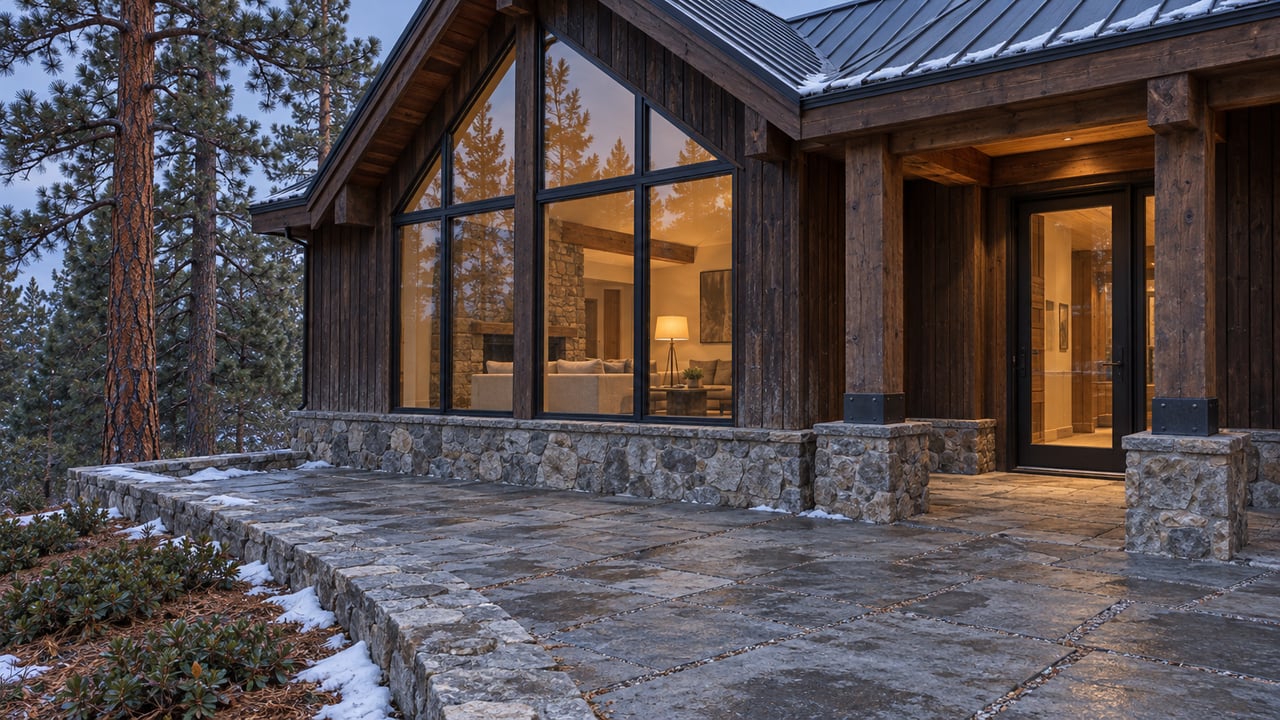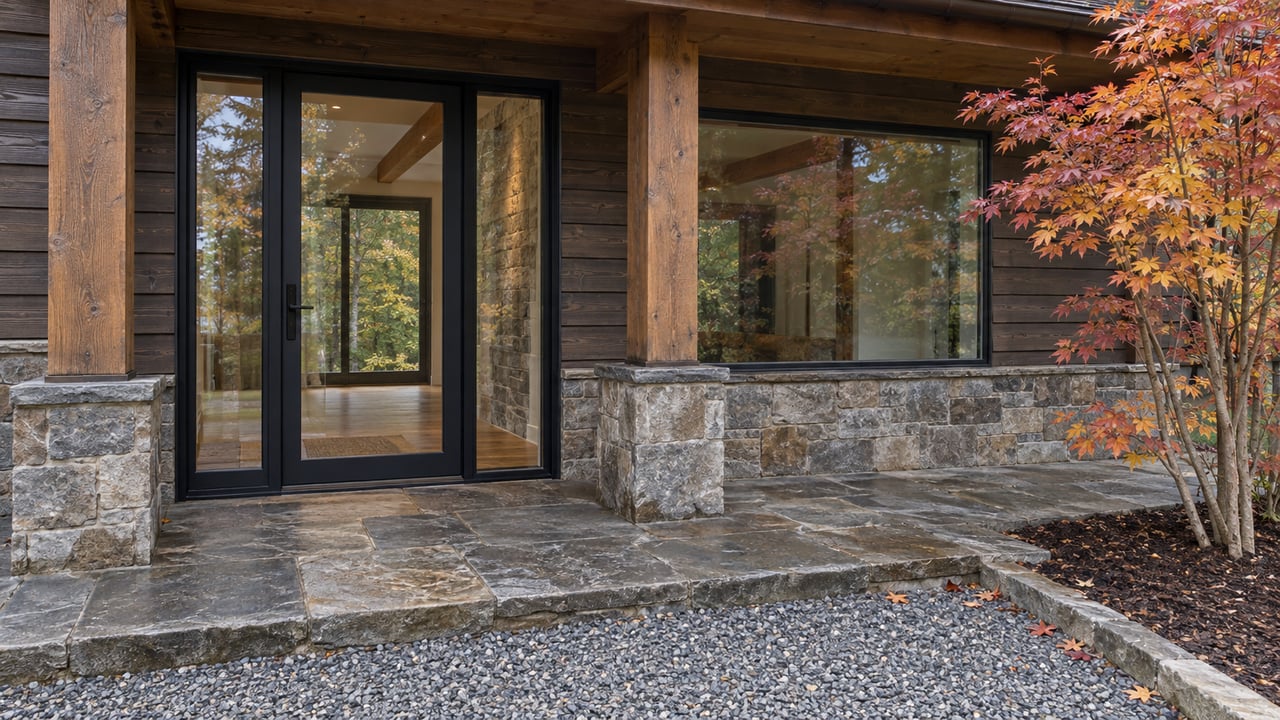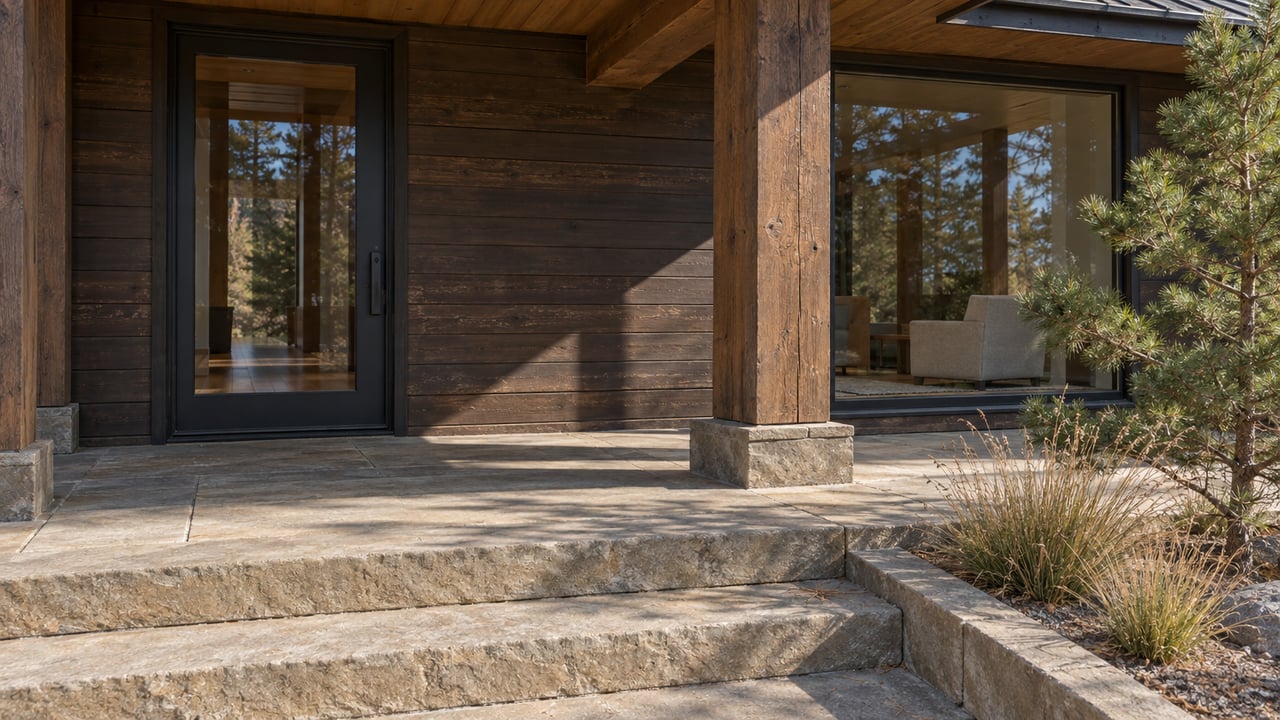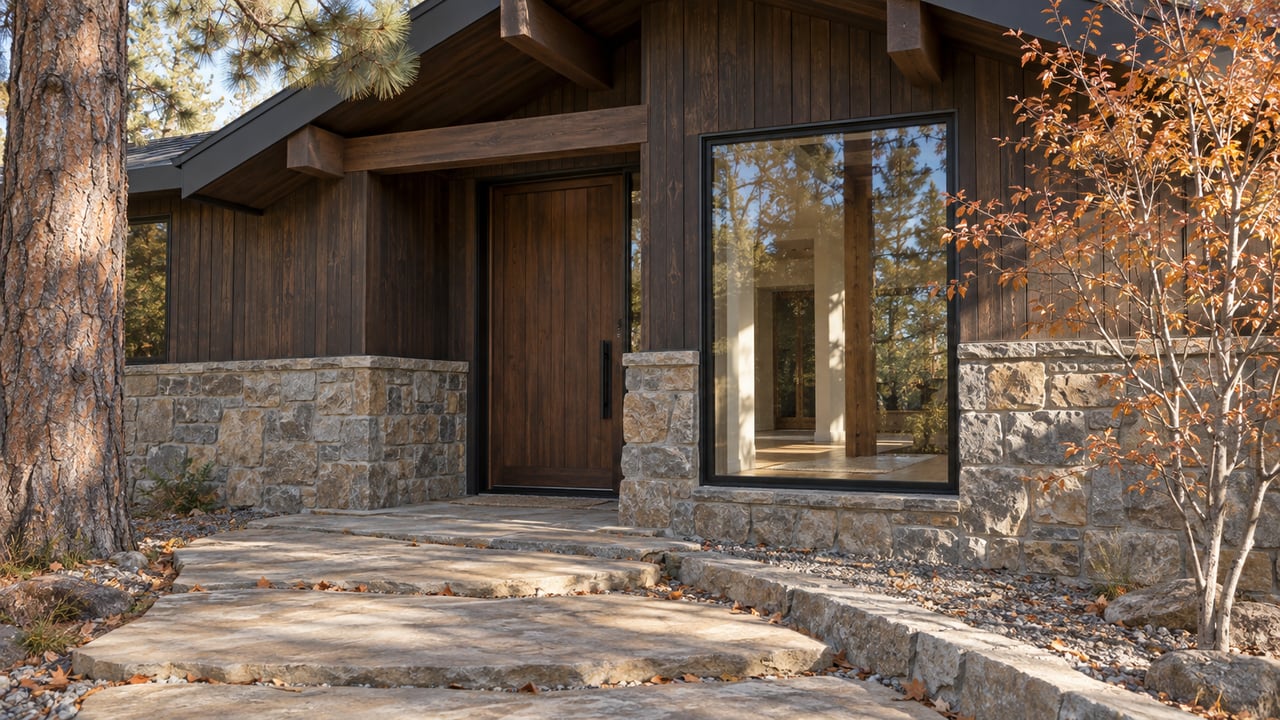
Buying decisions often start long before a showing is scheduled, especially in a destination market like Yakima wine country. If you are selling a home that offers vineyard views, outdoor living, or close access to tasting rooms and recreation, your buyer may be comparing your property from Seattle, the Westside, or even farther away. That is why the right marketing plan needs to help someone understand both the home and the setting from a screen first. Let’s dive in.
Why remote-first marketing matters
Yakima Valley is not just another home search area. It is Washington’s oldest federally approved grape-growing region, with the Yakima Valley AVA designated in 1983, and it remains a major part of the state’s wine identity. The region includes more than 90 wineries, more than 17,000 acres of producing vineyards, and five AVAs across roughly 70 miles.
For sellers, that means your home is often being judged on two levels at once. Buyers are evaluating the property itself, but they are also weighing the lifestyle tied to vineyard country, views, sunshine, and recreation. A strong marketing plan needs to present both clearly.
That is even more important because many buyers begin online. According to 2025 buyer data from the National Association of Realtors, 43% of buyers first looked online for properties, and 52% said they found the home they purchased online. The same report shows that buyers value photos, detailed property information, floor plans, virtual tours, neighborhood information, maps, and videos.
Show the home clearly on screen
When a buyer is not local, your listing has to do more of the work. It cannot rely on someone stopping by an open house or driving past the property to fill in the blanks. The home needs to read clearly and confidently online from the very first impression.
Staging plays a big role in that. NAR’s staging research found that 83% of buyers’ agents said staging made it easier for buyers to visualize a property as a future home. The most commonly staged spaces were the living room, primary bedroom, and dining room.
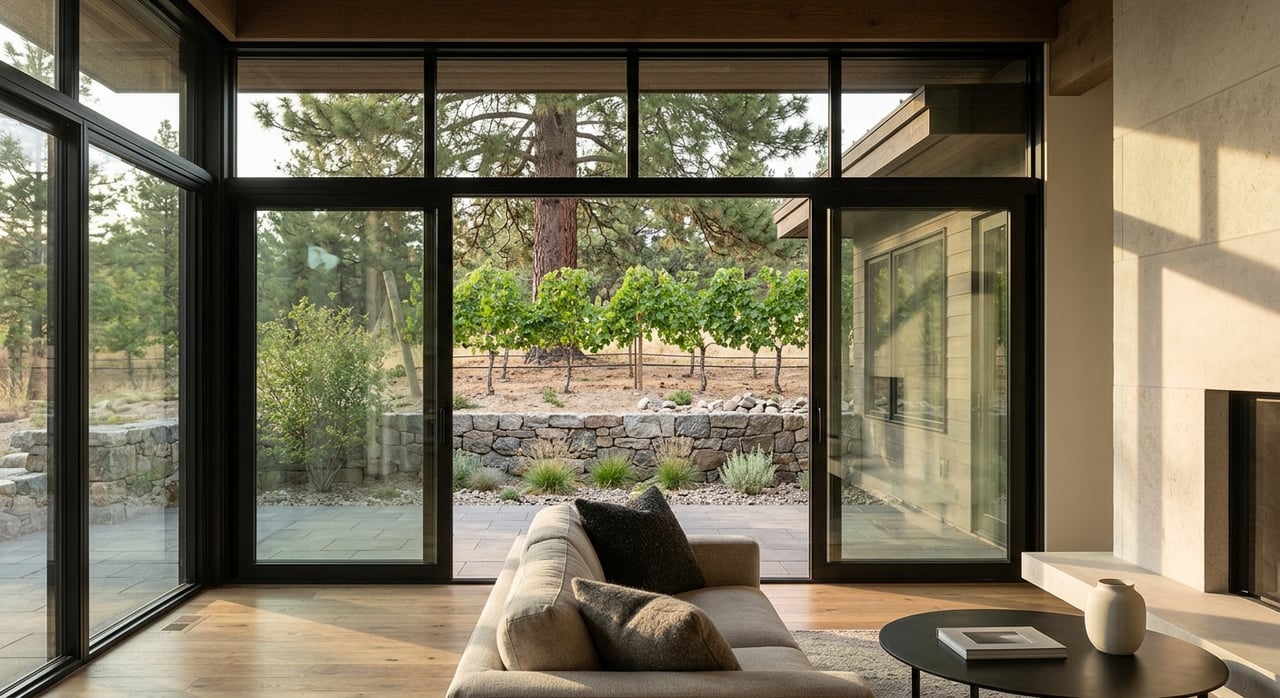
In Yakima wine country, outdoor spaces deserve the same attention. If your home includes a patio, terrace, view deck, fire feature, pool area, or outdoor dining setup, those spaces should feel intentional and usable. Buyers should be able to picture a morning coffee, an evening meal, or time spent enjoying the setting.
Remove uncertainty before buyers ask
Out-of-area buyers often hesitate when basic details are unclear. If they cannot visit easily, they need answers upfront about the layout, views, access, and land details. The more complete the listing package is, the more confidence they can have moving to the next step.
That matters in Yakima Valley, where setting is a major part of the appeal. The region is shaped by varied terrain, irrigation, and vineyard landscapes, so marketing should describe those features accurately. A strong listing helps buyers understand what they are looking at instead of leaving them to guess.
Accuracy is especially important for view homes and vineyard-adjacent properties. Marketing should reflect the property truthfully and avoid exaggeration. Clear, specific information builds trust and reduces the risk of disappointment when a buyer eventually visits in person.
Build a media package around place
For a Yakima wine country property, a basic room-by-room photo set is rarely enough. Buyers need a visual story that explains how the home lives and how it connects to the region. That means your media package should do more than document square footage.
A strong sequence often starts with the best exterior or lifestyle image. From there, it should move through the home in a thoughtful order, such as the approach, main living spaces, primary suite, outdoor living areas, key view shots, and then any acreage or vineyard-adjacent features. This helps buyers stay oriented and understand the experience of the property.
The written description matters too. Instead of only listing finishes, the best marketing translates the home into a place-based story. That may include vineyard views, sunset exposure, outdoor entertaining areas, privacy, proximity to tasting rooms, and access to year-round recreation.
Yakima Valley Tourism describes the area as a destination for award-winning wines, vineyard views, outdoor winery concerts, and events. It also notes more than 300 days of sunshine, more than 300 miles of trails, more than 170 miles of rivers, and nearby access to White Pass and Chinook Pass. Those details help buyers imagine the broader lifestyle connected to the property.
Use Yakima-specific context
One of the most effective ways to market a niche property is to be specific about the setting. Yakima Valley includes several sub-appellations, including Candy Mountain, Goose Gap, Rattlesnake Hills, Red Mountain, and Snipes Mountain. The Washington State Wine Commission also notes that the valley includes cooler foothill sites and warmer basin sites.
If your property sits in or near one of these recognized areas, that context can help a remote buyer understand why the location feels distinct. It can also make the listing more memorable for buyers comparing several wine country properties at once. The key is to stay descriptive and factual.
This is where experienced marketing becomes valuable. Rather than making broad claims, the goal is to frame what is real and relevant about the home’s surroundings. Specificity helps a listing feel more credible and more compelling.
Launch the listing like a campaign
A wine country home should not be treated like a standard upload and wait listing. The early days online matter, and first impressions can shape how much traction a property gets with buyers. That means the launch should feel coordinated and intentional.
NAR’s 2025 seller data shows that agents market homes across several channels, including the MLS website, Realtor.com, third-party aggregators, agent websites, company websites, social networking sites, virtual tours, and video. For Yakima wine country, that broad distribution matters because your likely buyer may be researching from outside the immediate area.
NAR also notes that the first few days online can have an outsized effect on visibility through saved searches, alerts, and feeds. In practice, that means your listing should go live with polished photos, complete details, strong copy, and supporting assets already in place. You do not want to add the best materials later after momentum is lost.
Reduce friction for remote buyers
Out-of-area buyers are more likely to stay engaged when the next step feels easy. If someone likes the property, they should be able to learn more without waiting for multiple rounds of back-and-forth. The listing should answer key questions and make remote review simple.
Helpful assets can include:
- A live video walkthrough option
- Clear floor plans
- Concise property FAQ notes
- Accurate information on access and layout
- Details on outdoor living spaces
- Notes about acreage, irrigation, or land-use features when relevant
- Seasonal photos, if available
Travel context can also help when it is presented carefully. Yakima Valley Tourism notes that the valley is centrally located in Washington, and the FAA identifies Yakima Air Terminal/McAllister Field as a public airport on the southwest edge of Yakima. Information like this can help buyers think through how the property may fit into weekend or seasonal use.
Answer the questions buyers already have
The best remote marketing anticipates concerns before a buyer has to ask. When people are comparing properties online, uncertainty can quickly push them toward a different listing. A well-prepared seller-side strategy keeps the path clear.
For Yakima wine country homes, buyers often want to know:
- What exactly is the view?
- Is the property in or near a recognized AVA?
- How do the outdoor spaces function?
- Are there acreage or irrigation details that should be documented?
- How close is the home to wineries, recreation, or air access?
- What does the property look like in different seasons?
These are not minor details. They are often central to why someone is considering the home in the first place. When your marketing answers these questions clearly, the listing feels more complete and easier to trust.
Why strategy matters for sellers
Selling a Yakima wine country home to an out-of-area buyer is rarely about exposure alone. It is about presentation, clarity, and helping the right buyer understand the property without being there in person. In a niche lifestyle market, the marketing plan becomes part of the value proposition.
That is one reason sellers continue to lean on professional representation. NAR’s 2025 reporting says 91% of sellers used a real estate agent, and only 5% of recent home sales were for sale by owner. For a home with setting-driven appeal, the difference often comes down to how well the property is positioned, packaged, and launched.
If you are preparing to sell in Yakima wine country, a tailored plan can help your home stand out with the buyers most likely to appreciate it. For a more curated, concierge-level approach to marketing distinctive Central Washington properties, connect with the Rau Peterson Team.
FAQs
What makes Yakima wine country homes appealing to out-of-area buyers?
- Yakima wine country offers a mix of vineyard views, access to more than 90 wineries, outdoor recreation, and more than 300 days of sunshine, which creates strong lifestyle appeal for buyers researching from outside the area.
Why do Yakima home listings need strong digital marketing?
- Many buyers start their search online, and 2025 NAR data shows they rely heavily on photos, detailed property information, floor plans, virtual tours, maps, and videos when evaluating homes remotely.
What should sellers highlight in a Yakima wine country listing?
- Sellers should clearly present views, outdoor living spaces, layout, access, acreage or irrigation details when relevant, and location context such as nearby wineries, recreation, and recognized AVAs.
How should outdoor spaces be marketed for Yakima homes?
- Outdoor areas should be presented as usable living spaces, with patios, decks, dining areas, fire features, or pool spaces staged and photographed in a way that helps buyers picture how they can be used.
What location details matter most for remote buyers in Yakima?
- Buyers often want clear information about the property’s setting, whether it is near a recognized AVA, how access works, what the views are like, and how close it is to wineries, recreation, and Yakima Air Terminal.
Why is accuracy so important when marketing Yakima view properties?
- Remote buyers rely heavily on listing materials, so accurate photos, honest descriptions, and clear property details help build trust and reduce the chance of disappointment later in the process.