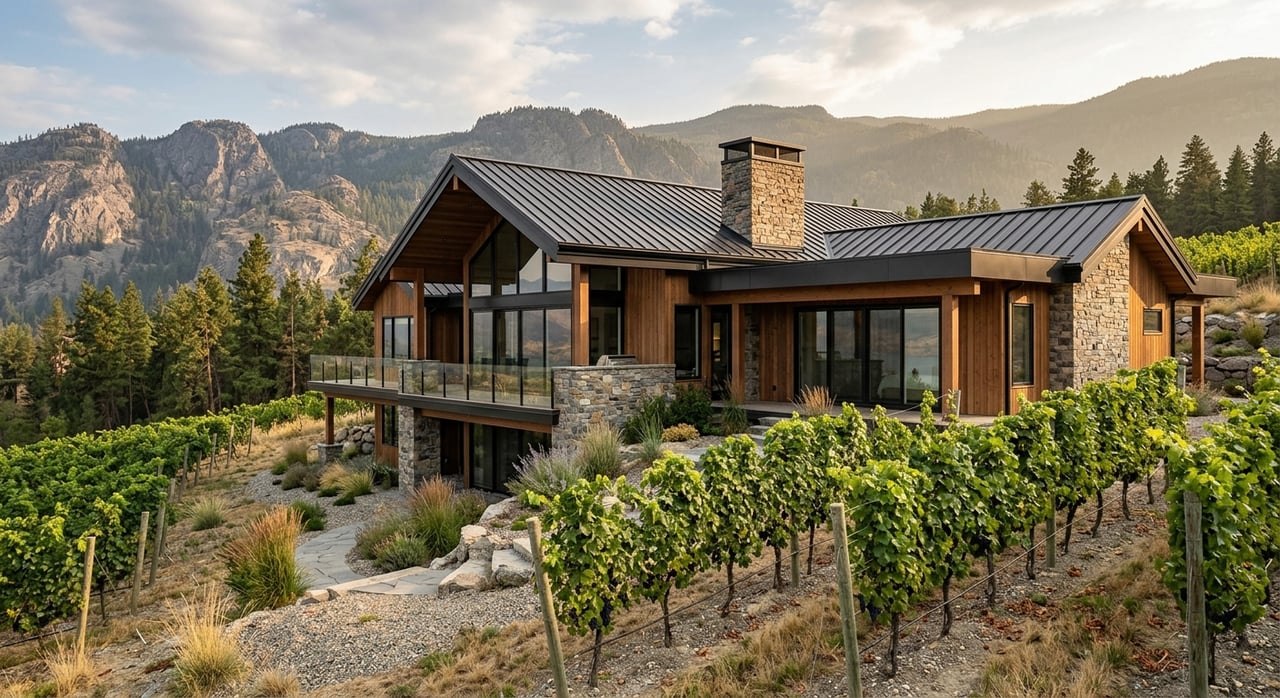
If you want a home that feels connected to scenery, agriculture, and everyday adventure, Yakima deserves a closer look. More buyers are discovering that Yakima wine country offers more than weekend tasting rooms. It brings together vineyards, orchards, open space, and a housing market that can feel more approachable than many destination-driven areas. If you are wondering why Yakima keeps showing up on buyers’ short lists, this guide will walk you through the lifestyle, housing mix, and local advantages that stand out. Let’s dive in.
Yakima offers a true wine-country lifestyle
Yakima Valley has deep wine roots, and that matters to buyers who want more than a label. The Washington State Wine Commission identifies Yakima Valley as Washington’s oldest federally approved grape-growing region, with designation dating to 1983. Today, the valley includes 18,924 acres under vine, which is about a third of the state’s planted acreage.
That wine identity creates a daily lifestyle many buyers find appealing. You are not just near a few wineries. You are in a broad agricultural landscape shaped by vineyards, orchards, sunny weather, and open views.
Yakima Valley Tourism also notes the region is about 2.5 hours from Seattle. For buyers coming from the west side of the state, that makes Yakima feel reachable for a primary home, a second home, or a lifestyle change that still keeps major city access within range.
Buyers have options across Yakima wine country
One reason Yakima appeals to a wide range of buyers is that wine country here is not limited to one small pocket. The broader Yakima Valley wine framework includes the main Yakima Valley AVA along with named growing regions such as Candy Mountain, Goose Gap, Rattlesnake Hills, Red Mountain, and Snipes Mountain.
For buyers, that creates variety in how wine-country living can look and feel. Some areas offer a closer connection to downtown Yakima, while others lean more rural, agricultural, or vineyard-oriented. That range gives you more flexibility as you match your home search to your pace of life.
Yakima Valley Tourism breaks the area into recognizable zones that buyers can understand. In and around Yakima, you will find downtown tasting rooms, rural wineries, access to Naches Heights AVA, and sparkling wine producers in Union Gap. In the broader valley, places like Zillah and Rattlesnake Hills offer a different setting, while Red Mountain and Prosser each bring their own established wine presence.
Yakima balances scenery with daily convenience
Some wine regions feel beautiful but limited when it comes to everyday living. Yakima stands out because the lifestyle is not only scenic, but practical. You can enjoy vineyard and orchard views while still living in a regional hub with established neighborhoods, services, and transportation connections.
That balance is important if you want a place that works beyond weekends. A home in Yakima can support your daily routine while still giving you easy access to wine tasting, local produce, and outdoor recreation. For many buyers, that is a more sustainable version of lifestyle-driven homeownership.
Farms and food shape the local experience
Yakima wine country is also farm country, and that adds depth to the buyer appeal. Yakima Valley Tourism describes the valley as a patchwork of more than 350,000 acres that supports more than 40 commercial crops. That agricultural base helps define what living here actually feels like through the year.
Instead of a lifestyle built around one attraction, you get a rotating seasonal rhythm. Farmers markets, roadside stands, and u-pick stops are part of the local experience in many communities. The region is also described by Yakima Valley Tourism as having the largest variety of fresh produce in the Pacific Northwest.
For buyers, this creates a sense of place that feels grounded and lived-in. You are not just buying scenery. You are buying access to a local food system, seasonal traditions, and an everyday connection to the land.
Food culture adds another layer
Yakima also stands apart because its identity is not limited to wine. Yakima Valley Tourism’s Taco & Tamale Trail includes more than 30 stops and highlights the valley’s deeply rooted Latin food culture. That gives buyers another reason to see the area as dynamic rather than one-note.
If lifestyle matters to you, food options are part of the decision. Local dining, produce, and agricultural culture can shape how connected you feel to a place. In Yakima, that connection goes beyond tasting rooms and into the broader character of the valley.
Climate supports the lifestyle buyers want
Climate is a big part of why Yakima wine country works so well for both agriculture and recreation. Yakima County describes the area as having long sunny days, cool nights, and more than 300 days of sunshine per year. The county also notes an average growing season of 195 days.
That sunny, semi-arid pattern is one reason vineyards and orchards thrive here. It also supports the kind of outdoor lifestyle many buyers want when they move to Central Washington. In some eastern lowland areas of the county, annual precipitation is less than 8 inches.
For many buyers, this climate feels like a major quality-of-life benefit. More sun can mean more time outside, more reliable seasonal recreation, and a setting that feels noticeably different from wetter parts of the state.
Outdoor access goes well beyond wineries
Another reason buyers choose Yakima wine country homes is the range of outdoor options nearby. The Yakima Greenway includes a 20-mile bike and pedestrian pathway connecting Union Gap, Yakima, Selah, and Naches. Along the way, it links parks, fishing lakes, river access points, and protected natural areas.
That kind of access helps make outdoor activity part of daily life, not just a weekend plan. If you value walks, biking, or time near the river, Yakima offers built-in ways to enjoy the landscape.
Cowiche Canyon Conservancy adds even more trail access close to town. It offers more than 60 miles of trails for hiking, biking, running, horseback riding, and snowshoeing, with Cowiche Canyon located about six miles west of downtown Yakima. That combination of convenience and variety is a strong draw for buyers who want both town access and outdoor freedom.
Yakima Valley Tourism also highlights hiking, fly fishing, e-bike wine tours, paddleboarding, skiing, and scenic drives across the region. In other words, the lifestyle here is broader than wine alone. You are choosing a home base for multiple ways to enjoy Central Washington.
The housing stock fits many buyers
Yakima’s housing mix is another practical reason buyers keep looking here. According to the City of Yakima’s 2026 housing draft, the city had 38,584 housing units in 2024, and about 61 percent were detached single-family homes. That helps explain why the market still feels like a house-and-yard market rather than a dense urban one.
If you want outdoor space, a garage, or room to spread out, that housing profile matters. Many buyers are specifically looking for ground-oriented living, and Yakima offers a market where that remains common.
This also makes Yakima appealing to buyers who want wine-country atmosphere without giving up everyday functionality. You can find a setting tied to vineyards and agriculture while still focusing your search on detached homes, larger lots, or properties with more breathing room.
Yakima can feel more approachable on price
Price is not the only factor in a move, but it matters. Redfin reports that the median sale price in Yakima was $397,500 in March 2026, while Yakima County’s median sale price was $388,988. That gives buyers a helpful benchmark as they compare Yakima with other lifestyle-focused markets in Central Washington.
Recent sales examples cited by Redfin show built-home closings from about $288,000 to $575,000 in Yakima, with county examples around $320,000, $435,000, $480,000, and $530,000. That suggests a broad working range for many typical homes, even though individual properties can vary significantly based on location, land, and improvements.
Redfin also says Yakima’s median sale price is 11 percent lower than the national average. For buyers who want a lifestyle market with real identity, that can make Yakima especially compelling. You are not just looking at a lower-cost option. You are looking at a place with established wine-country character, outdoor access, and a wide range of housing possibilities.
Why Yakima stands out to today’s buyers
When you step back, Yakima checks several boxes at once. It offers a recognized wine region, a strong agricultural setting, broad outdoor recreation, and a housing market still dominated by detached homes. That combination is not easy to find in one place.
Yakima may be especially attractive if you want:
- Vineyard and orchard scenery
- Nearby tasting rooms and agricultural experiences
- Access to trails, river areas, and open space
- More sun and a semi-arid climate
- A wider price spectrum than many resort-style markets
- A home that supports both lifestyle and everyday living
For some buyers, the biggest surprise is how balanced Yakima feels. It is not a one-purpose destination. It is a place where wine country, food culture, recreation, and real neighborhoods all come together.
What this means for your home search
If you are exploring Central Washington, Yakima is worth seeing in person with a clear plan. The right fit can depend on how close you want to be to downtown Yakima, tasting rooms, agricultural land, trails, or nearby submarkets in the valley.
It also helps to think beyond the home itself. In Yakima, lifestyle value often comes from the full setting around the property, including access to outdoor recreation, seasonal food experiences, and the broader wine-country environment. A thoughtful home search should account for all of that.
Whether you are looking for a full-time move, a second-home lifestyle, or a property that offers more space and a stronger connection to Central Washington, Yakima continues to earn buyer attention for good reason.
If you are considering Yakima wine country or comparing it with other Central Washington lifestyle markets, the Rau Peterson Team can help you evaluate the options with local insight and a tailored approach.
FAQs
Why are buyers interested in Yakima wine country homes?
- Buyers are drawn to Yakima for its established wine region, vineyard and orchard scenery, outdoor recreation, sunny climate, and housing market that still offers many detached single-family homes.
How far is Yakima from Seattle for second-home buyers?
- Yakima Valley Tourism places Yakima about 2.5 hours from Seattle, which makes it a realistic option for buyers who want access to Central Washington without being too far from the metro area.
What makes Yakima different from other wine regions in Washington?
- Yakima combines wine-country appeal with a strong farm economy, local food culture, trail access, river recreation, and a practical housing market that supports full-time living as well as lifestyle-driven purchases.
What kinds of homes are common in Yakima, Washington?
- The City of Yakima reports that about 61 percent of the city’s housing units are detached single-family homes, so the market remains largely focused on ground-oriented housing rather than dense urban development.
Is Yakima considered an affordable wine-country market?
- Yakima may feel more approachable than some lifestyle markets, with Redfin reporting a median sale price of $397,500 in March 2026 and noting that the city’s median sale price was 11 percent lower than the national average.
What is the outdoor lifestyle like near Yakima homes?
- Buyers can enjoy access to the Yakima Greenway, river areas, parks, fishing spots, and more than 60 miles of trails through Cowiche Canyon Conservancy, along with regional activities like hiking, paddleboarding, fly fishing, and scenic drives.