Eyeing a Lake Chelan waterfront or view home and wondering if you’ll need a jumbo loan? You’re not alone. Many higher-priced properties in Chelan County sit above standard lending limits, especially if you’re shopping for a second home from the Seattle area. In this guide, you’ll learn what defines a jumbo loan here, how it differs from a conforming loan, what documents you’ll need, and how to position your offer to win. Let’s dive in.
Jumbo loan basics in Chelan County
A jumbo mortgage is any first-lien loan amount that exceeds your county’s conforming loan limit set each year by the Federal Housing Finance Agency. Conforming loans can be purchased by Fannie Mae or Freddie Mac; anything above the limit is considered jumbo. You can verify the current threshold for Chelan County using the FHFA’s county loan limit table on the official FHFA conforming loan limits page.
Why many Chelan homes need jumbo financing
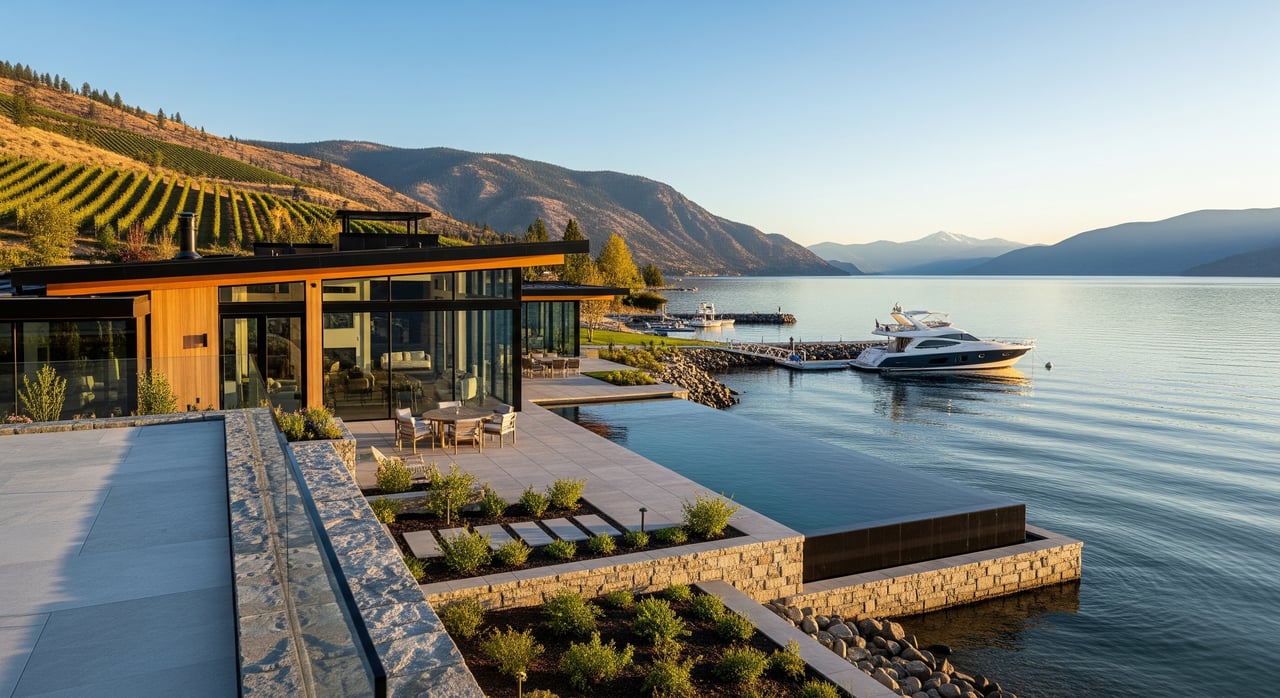
Waterfront and high-view properties around Lake Chelan often command prices above the county’s conforming limit. Even if the overall county median is lower, the most desirable homes can require financing that falls into jumbo territory. That is common in lifestyle and resort markets where location, amenities, and lot features drive value.
Jumbo vs. conforming: what to expect
Jumbo loans follow different rules than conforming loans. Understanding the tradeoffs helps you choose the right strategy for your purchase.
Credit and underwriting
Jumbo lenders tend to expect stronger credit. Many programs look for higher credit scores and a clean credit profile. You can review general mortgage basics and borrower protections through the CFPB’s Owning a Home resources.
Down payment and LTV
Jumbo programs often require larger down payments or lower maximum loan-to-value ratios than conforming loans. For many second-home scenarios, lenders may cap the loan around 80 percent LTV, with variations by lender and borrower profile.
Cash reserves
Expect to document more liquid reserves for jumbo financing. Lenders commonly ask for several months of total housing payments in reserves, and that number can rise for second homes or investment properties.
Interest rates
The rate spread between jumbo and conforming loans changes with the market. Sometimes they are similar, and sometimes jumbo rates price higher. Check fresh quotes with your lender when you are ready to write offers.
Appraisal and collateral
Unique properties can make valuation more complex. Waterfront homes, custom builds, and large view estates may have fewer comparable sales, which can lead to deeper appraisal reviews or additional documentation.
Product availability
Some features common in conforming loans are limited or unavailable with jumbos. Lenders that offer jumbo loans often use more manual underwriting, and the menu of programs can be narrower.
Second home vs. investment use
If you plan to use the home as a true second home, underwriting differs from an investment property. Renting the property, especially short term, may push the file into investment use with stricter requirements. For background on conforming standards and second-home definitions, see the Fannie Mae Selling Guide.
Documentation and pre-approval timeline
Going jumbo means more verification. Getting your paperwork squared away early can make your offer more competitive.
What to gather
- Government ID and Social Security number
- Recent pay stubs and employer contact information
- Two years of W-2s or 1099s, plus federal tax returns for two years
- Additional business docs if self-employed, such as K-1s and a profit and loss statement
- Two to three months of bank and asset statements, including retirement accounts
- Statements for other real estate owned and recent closing documents if applicable
- Gift letter if any portion of the down payment is a gift
- Explanations for employment gaps, large deposits, or credit events
- HOA documents or condo project details if purchasing a condo
How long pre-approval takes
- Pre-qualification: hours to a couple of days based on stated info
- Full document-verified pre-approval: about 3 to 10 business days once you submit everything
- Underwriting to clear to close: about 2 to 6 weeks, depending on appraisal timing and file complexity
For the strongest position, ask your lender about an underwriter-reviewed or pre-underwritten approval before you tour. That extra step can take a few more days but may help your offer stand out in competitive summer months.
Property factors in the Chelan market
Waterfront and view homes
Shoreline, slope, and site features can affect appraisal and insurability. Seasonality may influence comparable sales, and the lender may need an appraiser familiar with the local market.
Condos and project review
Many jumbo lenders scrutinize condo project financials and rules. If a project is considered non-warrantable, financing options may narrow or require larger down payments. Ask early for HOA budgets, reserves, and rental policies.
Rentals and HOA rules
If you plan to rent the home, tell your lender upfront. HOA rental caps, special assessments, and dues can affect debt-to-income calculations and eligibility.
Taxes, insurance, and escrow
Waterfront homes can carry higher homeowners insurance costs, and flood insurance may be required in some locations. Washington has no state income tax, but county property taxes and local fees still impact your monthly payment. Build these into your affordability plan because they affect reserve and qualification requirements.
How to make a stronger jumbo offer in Chelan
- Get a fully documented pre-approval or pre-underwritten letter from a lender that regularly closes jumbo loans in Chelan County
- Show proof of funds for your down payment and reserves
- Consider a larger earnest money deposit when appropriate
- Offer flexible closing dates to match the seller’s timing
- Calibrate your appraisal contingency with your lender’s guidance, especially if you have a larger down payment or cash back-up
- Hire a local agent team experienced with second-home and lakefront transactions
A simple path to get started
- Confirm the jumbo threshold. Check Chelan County’s current limit on the FHFA conforming loan limits page.
- Speak with a jumbo-experienced lender. Share your intended use, down payment, and assets.
- Assemble documents. Having statements and tax returns ready speeds pre-approval.
- Align with a local team. Your agent can help you target neighborhoods and property types that fit your financing plan.
- Line up insurance. Ask an agent to estimate premiums for waterfront or hillside lots.
- Plan your touring and offer timeline. If you are visiting from Seattle, aim to be pre-underwritten before peak-season showings.
When you are ready to explore Lake Chelan and nearby resort markets, partner with the Rau Peterson Team for clear guidance, local insight, and a smooth path from pre-approval to keys.
FAQs
What is a jumbo loan in Chelan County?
- A jumbo loan is any first-lien mortgage that exceeds Chelan County’s conforming loan limit set annually by the FHFA, which you can verify on the FHFA loan limits page.
Are jumbo mortgage rates always higher?
- Not always; the spread between jumbo and conforming rates changes with market conditions, so you should compare live quotes from lenders when you are ready to buy.
How much down payment do jumbo second homes usually require?
- It varies by lender, but many jumbo programs expect larger down payments and lower LTVs for second homes compared with primary residences.
How long does jumbo pre-approval take for a vacation home?
- A document-verified pre-approval often takes 3 to 10 business days once you submit everything, and full underwriting can run 2 to 6 weeks depending on appraisal timing.
Can I use projected vacation rental income to qualify for a jumbo loan?
- If you plan to rent, lenders often treat the property as an investment, which typically means stricter underwriting; disclose plans early so your lender can advise.
Do waterfront homes require special insurance for lenders?
- Depending on location, you may need higher homeowners coverage and possibly flood insurance, which affects your total payment and reserve requirements.
Why do some condos face tougher jumbo financing?
- Lenders review project financials and rules; if a condo is non-warrantable, options may be limited or require more down payment due to added risk.