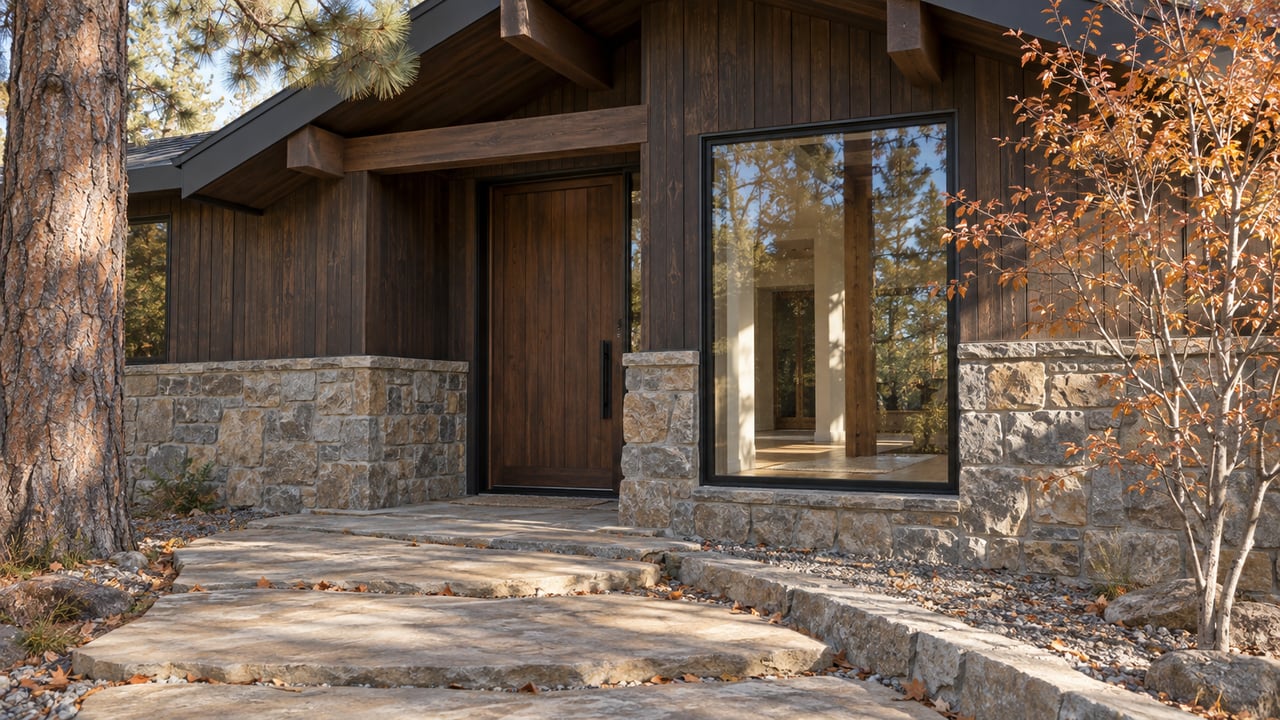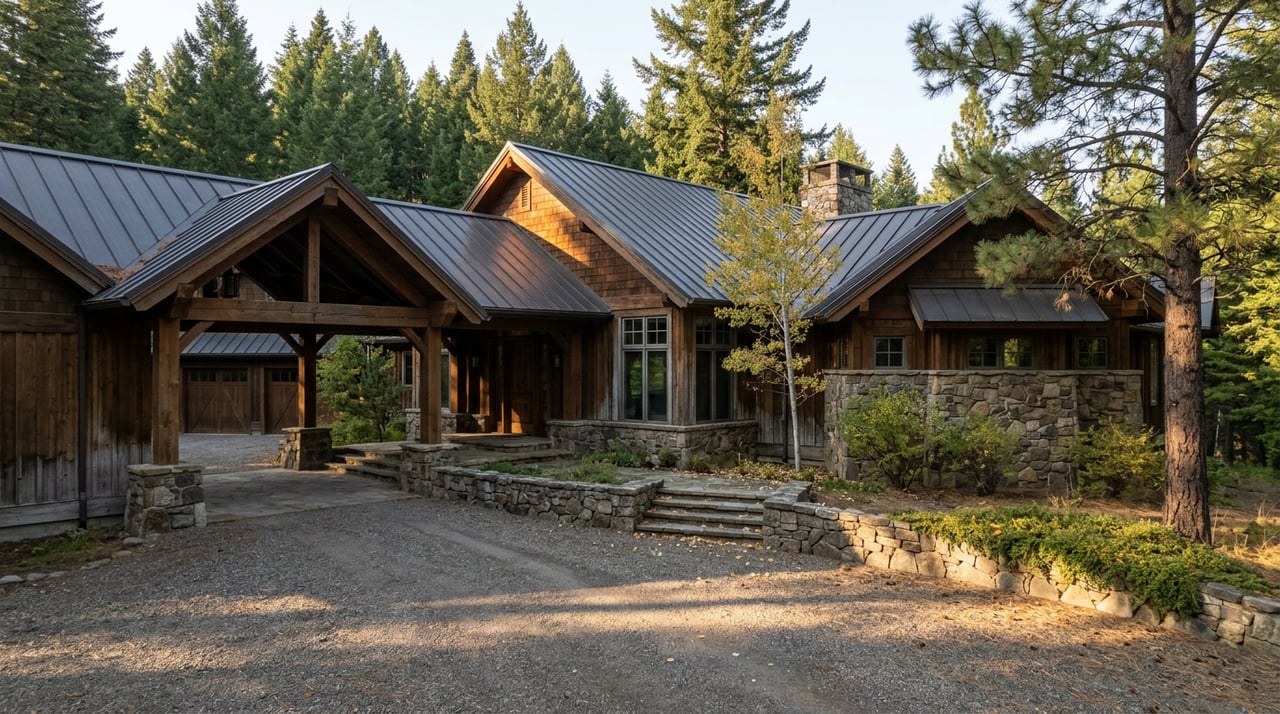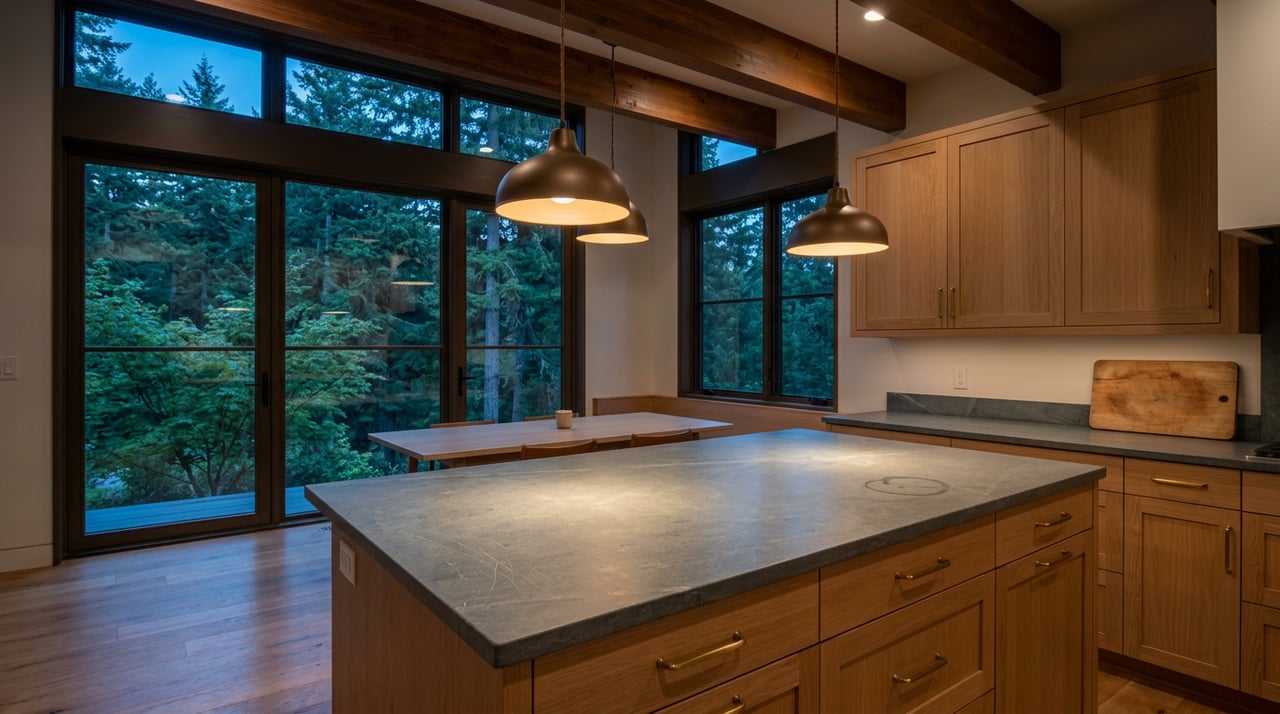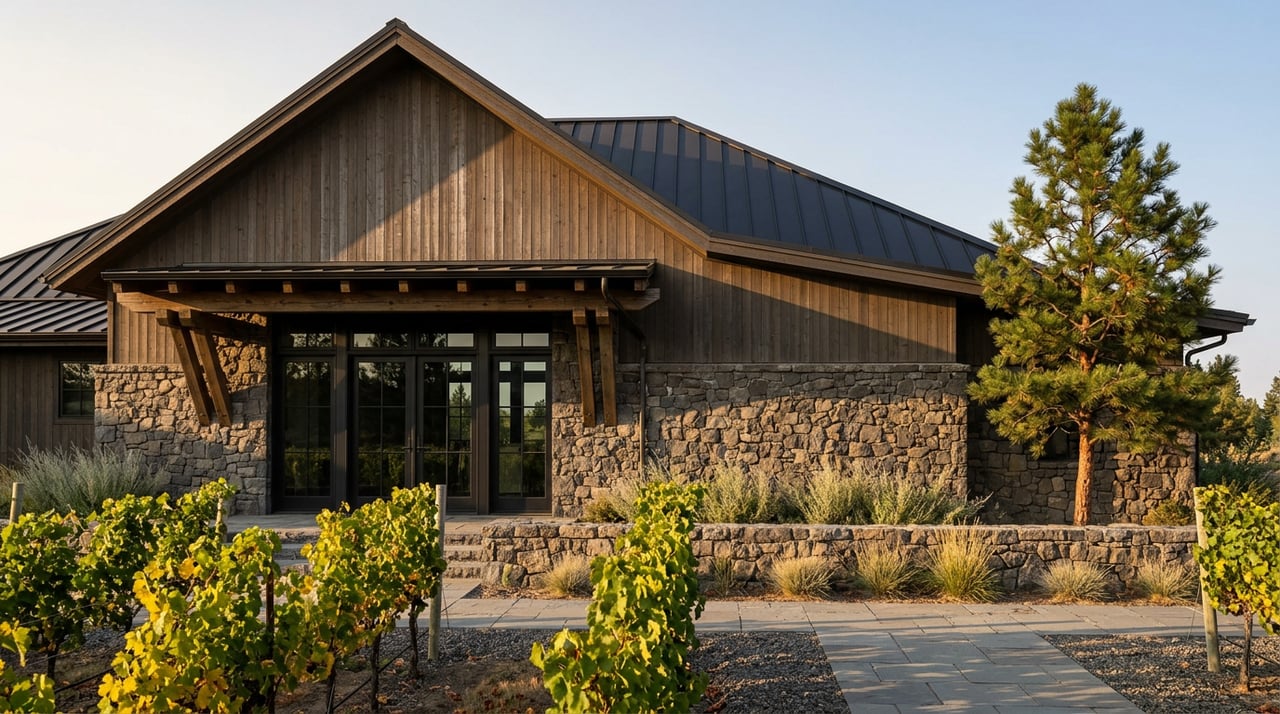
Planning a new build or remodel in Suncadia or Tumble Creek? Your design is only half the story. The Architectural Review Committee shapes how your home fits the landscape and the community. If you are new to resort-style oversight, the process can feel complex. This guide walks you through how Suncadia’s review works, what you need to submit, typical timelines, and how to keep your project moving. Let’s dive in.
What the ARC does
The Architectural or Design Review Committee exists to uphold community standards set by CC&Rs and design guidelines. It reviews siting, massing, exterior materials, colors, lighting, landscaping, and construction practices to protect views, natural features, and neighborhood character.
ARC review is different from public permits. Kittitas County and the City of Cle Elum handle building code, wells and septic, land use, and critical areas. You will need ARC approval in addition to county or city permits. In many cases, ARC approval must come first for your permit package to proceed.
If your lot is within Tumble Creek or a neighborhood with its own overlay rules, confirm which body reviews your plans. Some areas have supplemental standards that apply to your lot.
Where ARC meets local rules
You will coordinate with two tracks. The ARC reviews your design for community fit while local government ensures compliance with building and environmental codes. Plan for both together to avoid rework.
- Building permits and land use: Kittitas County or the City of Cle Elum issues building permits and enforces the State Building Code. They also review driveway and access standards where public works applies.
- Wells and septic: If your lot uses onsite systems, designs must meet Washington State Department of Health and county health requirements. Expect soil logs, perc tests, and septic design if applicable.
- Critical areas and stormwater: Wetlands, steep slopes, streams, and buffers can require studies and mitigation under county rules. Stormwater and erosion control plans are typically required for grading and new impervious surfaces.
- Wildfire and defensible space: Given the Eastside Cascade setting, fuels management, landscape spacing, and certain material choices may be required or recommended. Some communities ask for defensible-space plans before final occupancy.
Suncadia review stages
The ARC process is staged. Understanding each step helps you plan submissions and schedule.
Pre-application
A pre-application conversation with ARC staff is strongly recommended. You will identify site constraints like views, slopes, vegetation, and potential critical areas. Early feedback can prevent costly redesign later.
Concept review
You submit a concept site plan, basic massing, and a preliminary materials palette. Include a simple landscape concept and a short narrative about your design intent. Feedback at this stage is advisory so you can adjust before detailed work begins.
Preliminary submission
This is the formal design review. You provide a full site plan with setbacks, footprint, driveway, and utilities, plus a topographic survey and proposed grading. Add building elevations, roof plan, sections with heights, exterior materials and colors, floor area and height calculations, and a conceptual landscape plan. Most teams also include a stormwater strategy, a lighting plan, and a construction management plan for staging, access, dust control, and tree protection. If the site is complex, you may need technical studies such as geotechnical or critical area reports.
Final approval
You submit finalized drawings that address the committee’s conditions. Expect a final site plan, detailed elevations, a complete material and color board, final landscape and planting plan, grading and drainage details, and lighting and screening notes. You will also submit any required deposits and confirm compliance with construction rules.
Construction and closeout
ARC staff may inspect during construction to confirm compliance. Before closeout, complete all landscaping or post a performance surety if allowed. Remove temporary facilities and restore any disturbed areas for final sign-off.
What to submit
Each stage has typical deliverables. Check Suncadia’s current checklist before you prepare a package.
Concept package
- Concept site plan with footprint, setbacks, driveway location, and massing
- Basic elevations or massing sketches
- Preliminary materials and color palette
- Simple landscape concept and tree protection or removal notes
- Short narrative on design intent and expected site disturbance
Preliminary package
- Full site plan with property lines, setbacks, easements, utilities, and finished floor elevations
- Topographic survey and proposed grading plan
- Elevations on all sides, roof plan, and sections with height calculations
- Exterior materials and color samples or clear specifications
- Floor area and building height calculations
- Concept landscape plan, including native or mitigation planting and irrigation concept
- Stormwater and erosion control concept
- Lighting plan with fixture types and shielding
- Construction management plan for access, staging, storage, hours, dust control, and tree protection
- Technical reports if required, such as geotechnical, wetlands, or arborist reports
Final package
- Final site plan with all preliminary conditions addressed
- Final elevations and a material and color board
- Detailed landscape plan and planting schedule
- Final grading, drainage, and erosion control details
- Exterior lighting, signage, and screening details for mechanical equipment
- Construction rules acknowledgement and required deposits or bonds
Realistic timelines
Plan for a staged process with multiple reviews. Timelines vary by complexity and meeting schedules.
- Pre-application: a few days to 2 weeks to schedule
- Concept review: 2 to 4 weeks for feedback after submission
- Preliminary review: 3 to 6 weeks for a single cycle. Many projects need 1 to 2 resubmittals, which can extend total time to 6 to 12 or more weeks.
- Final review: 2 to 4 weeks
- Total ARC review: commonly 8 to 16 weeks from concept to final. Complex sites can take longer due to technical studies or redesign.
- County and city permits: add weeks to months depending on scope. Septic, shoreline, or critical areas approvals extend schedules.
Many ARCs meet monthly. Missing a cutoff can add 2 to 4 weeks. To keep momentum, prepare complete packages and respond quickly to comments.
Common conditions and revisions
ARC feedback often focuses on how a home fits its lot and surroundings. You may see conditions such as:
- Subtle material or color changes to blend with natural tones
- Adjustments to glazing or window placement to reduce glare or privacy impacts
- Added landscape screening or higher tree retention
- Revisions to grading or drainage to reduce erosion and visual impact
- Fixture changes to meet dark-sky lighting rules
- Relocation or screening of HVAC units, generators, and roof equipment
- Enhanced erosion control and phased revegetation
- Construction management changes for staging areas, fencing, or work hours
Fees and deposits to expect
Budget for ARC fees and construction-related deposits. Typical items include:
- Design review fees for concept, preliminary, and final review or a flat fee
- Construction deposits or performance bonds that are refundable upon satisfactory completion
- Possible mitigation or impact fees tied to tree removal, grading, or infrastructure
- Builder or contractor registration and proof of insurance
Confirm current numbers with the Suncadia ARC office. Fees and schedules can change.
Smart coordination for buyers
A clear sequence and roles will save time. Your buyer and agent team should start due diligence on lot-specific rules, easements, utilities, and any neighborhood overlays such as Tumble Creek standards. Schedule a pre-application meeting early and gather current checklists and meeting dates.
Your architect or designer will lead drawings, site plans, elevations, and landscape concepts. Your builder will develop the construction management plan, staging logistics, and deposit or insurance items. Together, they should anticipate technical studies for challenging lots, such as geotechnical or critical area reports.
Workstreams that run in parallel tend to finish faster. While you work toward ARC final approval, your team can assemble county permit materials so the public review can start without delay. Always confirm the acceptance order with Suncadia and Kittitas County to avoid rework.
Best practices to reduce delays
- Meet with ARC staff before committing to a layout
- Use local designers and builders familiar with Suncadia and Tumble Creek standards
- Submit complete, easy-to-read packages that match the current checklist
- Start technical studies early if you have slopes, wetlands, septic, or shoreline factors
- Plan for monthly ARC meetings and submittal cutoffs
- Respond quickly and clearly to comments to shorten re-review cycles
Next steps
- Request the latest Suncadia or Tumble Creek design guidelines and submission checklist
- Confirm which body reviews your lot and whether neighborhood overlays apply
- Schedule a pre-application meeting to flag constraints early
- Assemble your team: architect or designer, builder, and a project lead for coordination
- Begin site due diligence: survey, topography, utilities, easements, and potential critical areas
- Map a timeline that accounts for ARC stages and county permits
If you want an experienced local partner to coordinate due diligence, schedules, and introductions to trusted builders and designers, the Rau Peterson Team can help you move from concept to permits with confidence.
FAQs
Is ARC approval required before building in Suncadia?
- Yes. ARC approval is required in addition to county or city permits, and many projects need ARC final approval before public permitting proceeds.
How long from lot purchase to breaking ground in Cle Elum’s Suncadia?
- Plan for several months at minimum. Simple sites can move in a few months, while complex or sensitive lots can take many months to a year due to ARC review, studies, and county permits.
Will Suncadia’s ARC allow contemporary designs?
- Often yes if the design meets guidelines for siting, materials, scale, color, and landscaping. Early consultation reduces the risk of style-driven revisions.
Do remodels in Suncadia need ARC review?
- Exterior changes, additions, roofline shifts, or material changes are typically reviewed. Interior-only work often does not require ARC approval.
How are tree removals handled during Suncadia projects?
- Tree protection is strict. Significant removals usually require mitigation or replacement, and a tree-protection plan is standard during construction.