If you are looking for a mountain town with real history, Roslyn stands out fast. It is not a place that feels manufactured or built all at once. Instead, you get a compact downtown, deep mining roots, and everyday access to trails, forest, and nearby water. If you want to understand what living in Roslyn is actually like, this guide will walk you through the town’s character, setting, housing feel, and how it compares with nearby communities. Let’s dive in.
Roslyn has a true sense of place
Roslyn was founded in 1886 as a coal-mining town connected to the Northern Pacific Railroad. According to the Roslyn Public Library heritage archive, the town was shaped by immigrants from more than 20 countries, which helped create the layered local history people still notice today.
That history is not tucked away in a museum. It is part of the way the town looks and feels day to day. Preservation materials describe Roslyn as a largely intact historic district with a compact center, narrow streets, alleyways, and modest building forms that continue to shape the town’s identity today, as outlined in the historic district design guidelines.
Downtown Roslyn feels compact and walkable
Roslyn does not read like a typical spread-out mountain suburb. Its downtown is centered on a small, pedestrian-oriented core with historic commercial buildings and a street layout that reflects the town’s mining-era origins. That creates a more intimate, main-street feel than you will find in many recreation-driven communities.
The Roslyn Downtown Association highlights dining, shopping, lodging, outdoor recreation, and history as key parts of town life. In practical terms, that means your weekends can look simple and local: coffee, a walk through downtown, trail time, and community events without needing a packed itinerary.
Outdoor access is part of daily life
One of Roslyn’s biggest lifestyle strengths is how easy it is to get outside. The town is home to the Roslyn Urban Forest, which the city describes as a 300-acre non-motorized, four-season recreation area and gateway to the Teanaway Community Forest.
That matters because outdoor access here is not just scenic, it is woven into daily routine. The urban forest includes groomed Nordic trails in winter, which supports year-round use instead of a short summer-only recreation season.
Another local favorite is the Coal Mines Trail, a regional path created cooperatively by Roslyn, Cle Elum, and Kittitas County. The Washington Trails Association describes it as a 5.5-mile one-way trail running from Cle Elum through Roslyn to Ronald, following an old rail bed with views of historic mining remains.
Lake time is close by
Roslyn is not a lakefront town, but it has practical access to Lake Cle Elum that can easily become part of your regular routine. The U.S. Forest Service page for Speelyi Beach describes it as a heavily used sandy beach at the south end of Lake Cle Elum.
According to Recreation.gov information cited by the Forest Service source, the reservoir supports camping, swimming, boating, picnicking, and fishing. For you, that means Roslyn can offer a mountain-town setting with nearby shoreline recreation, even if your home is not directly on the water.
Community events feel local and tradition-driven
Roslyn’s calendar leans more local than large-scale. The town hosts recurring events like the seasonal Farmers Market, monthly Music Jam gatherings, and heritage-centered celebrations such as King Coal and Coal Miners Days and the Croatian Picnic, according to the Roslyn Downtown Association event listings.
That event mix says a lot about the town. Life here feels tied to seasons, local traditions, and repeat community rituals rather than a nonstop resort calendar. If you value a place with recognizable annual rhythms, Roslyn offers that kind of setting.
Homes reflect the town’s mining-era roots
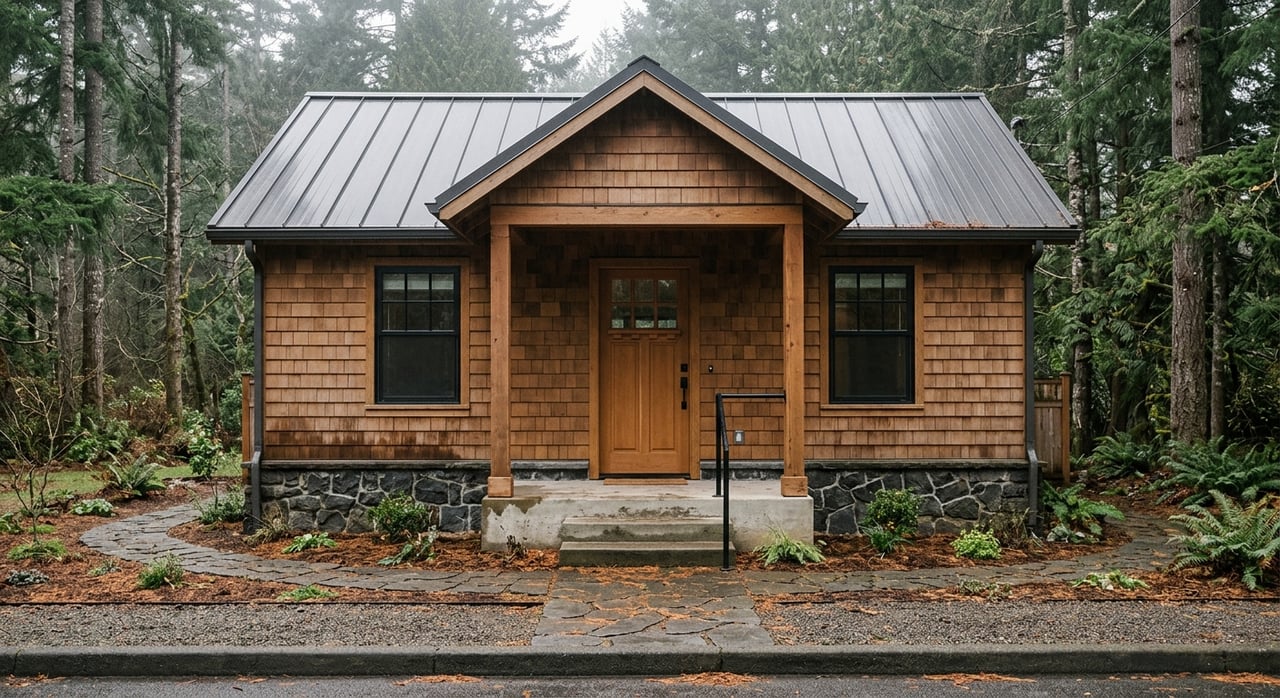
Roslyn’s residential areas are shaped by older housing stock and hillside topography. The city’s preservation guidelines describe the neighborhood fabric as largely made up of modest miner cottages and other simple homes from the late 1800s and early 1900s, often built with wood, sandstone, and brick.
Those same guidelines note that many homes were adapted to sloping sites rather than forcing the land into a uniform pattern. As a result, Roslyn often feels visually layered, with houses stepping along hillsides and streets in a way that adds to the town’s character.
Lot patterns vary by location
If you are looking at property in Roslyn, it helps to understand that lot size is not one-size-fits-all. The city’s subdivision rules require newly created residential lots to be at least 6,500 square feet, while the urban forest overlay allows 10-acre lots, according to the city code on subdivision and development standards.
In plain terms, Roslyn tends to split into two broad settings. You will find compact in-town parcels that support the traditional neighborhood pattern, and you may also find larger wooded edge properties with a more tucked-away feel.
New construction follows the town’s scale
Roslyn has design rules that help maintain its small-town form. The same city standards cap new residential building footprint at 1,400 square feet and height at 35 feet, and they require steep roof pitches for new residential structures, based on the city’s adopted development code.
Those rules matter if you are comparing Roslyn with nearby resort-oriented communities where larger homes may be more common. In Roslyn, the built environment still strongly favors a smaller-scale town character, especially in and around the historic core.
The town center stays pedestrian-oriented
Roslyn’s zoning reinforces what you experience on the ground. The city describes its commercial zone as the pedestrian-oriented central business district, while residential land use centers primarily on single-family detached dwellings, one unit per lot, as shown in the city zoning code.
For buyers, that can be useful context. It helps explain why Roslyn often feels visually consistent and why the downtown and nearby residential streets remain distinct from broader, more auto-oriented growth patterns.
Roslyn versus Cle Elum
Roslyn and Cle Elum are close neighbors, but they serve different roles. Cle Elum functions as the broader service hub, with about 25 miles of streets, four I-90 interchanges, a Second Street corridor that serves Roslyn and nearby communities, and nine city parks, according to the City of Cle Elum public works information.
Roslyn, by contrast, feels smaller and more preservation-driven. The state’s 2025 population estimate places Roslyn at 965 residents and Cle Elum at 2,300, according to the Washington population estimates report. That difference in scale helps explain why Roslyn often feels more intimate, while Cle Elum is where many people naturally look for a wider range of day-to-day services.
Roslyn versus Ronald
If you continue farther along the corridor, Ronald has a quieter and more rural feel. Central Washington Outdoor’s community description identifies Ronald as an unincorporated community on SR 903 with access toward Cle Elum and Cle Elum Lake.
That location gives Ronald a different identity. Compared with Roslyn’s defined town center and preserved historic core, Ronald tends to read more like the lake-and-cabin side of the corridor than a downtown destination.
Who living in Roslyn may suit best
Roslyn can be a strong fit if you want a mountain setting with a real town center, not just a scenic address. It may appeal to you if you value historic character, easy trail access, nearby lake recreation, and a smaller-scale built environment.
It can also be a good option if you are drawn to Central Washington mountain living but want something distinct from larger resort communities. Roslyn offers a more rooted, heritage-centered experience, with access to nearby services in Cle Elum and outdoor recreation all around.
If you are exploring Roslyn or comparing it with nearby communities across Upper Kittitas County, the Rau Peterson Team can help you evaluate lifestyle, property types, and market opportunities with clear local guidance.
FAQs
What is living in Roslyn, WA like?
- Living in Roslyn is shaped by a compact historic downtown, mining-town roots, nearby trail access, and close access to Lake Cle Elum recreation.
How big is Roslyn compared with Cle Elum?
- Washington state’s 2025 population estimate lists Roslyn at 965 residents and Cle Elum at 2,300, which helps explain Roslyn’s smaller-town feel.
What kind of homes are common in Roslyn?
- Roslyn is known for modest older homes, including miner cottages and other simple residential forms from the late 1800s and early 1900s, along with some newer homes that must follow local design standards.
Does Roslyn have good outdoor access?
- Yes. Roslyn has direct access to the Roslyn Urban Forest, the Coal Mines Trail, and nearby Lake Cle Elum recreation areas such as Speelyi Beach.
Is Roslyn a lake town?
- Roslyn is not a lakefront town, but it is close enough to Lake Cle Elum that beach days, boating, fishing, and other water recreation can be part of your regular routine.
How is Roslyn different from Ronald, WA?
- Roslyn has a defined historic downtown and a more established town-center feel, while Ronald is generally quieter and more rural in character based on its corridor location and development pattern.